
- Why the psychology of first impressions is so powerful
- What your brain is actually judging first
- The hidden biases behind snap judgments
- What shapes a first impression more than people think
- Can you change a bad first impression?
- How to make better first impressions without faking it
- Why first impressions still deserve skepticism
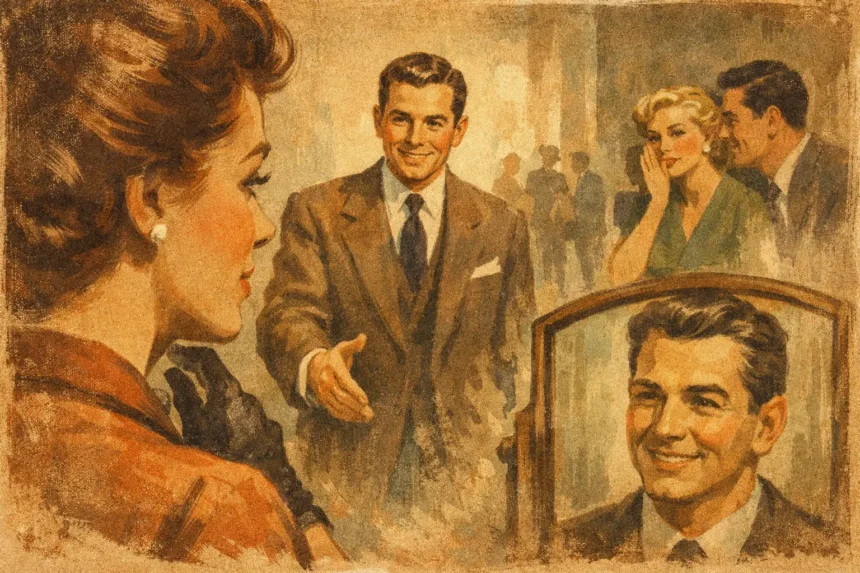
You walk into a room, join a Zoom call, or send a first message on a dating app, and someone starts building a story about you before you’ve finished your first sentence. That is the psychology of first impressions in action – fast, automatic, and far more influential than most people realize.
What makes this topic so compelling is not just that first impressions happen quickly. It is that we treat them as meaningful, even when they are built from thin slices of information: a face, a voice, a posture, a delay in replying, a choice of words. We like to think we are careful judges of character. In reality, our brains are built to make rapid social guesses and then defend them.
Why the psychology of first impressions is so powerful
From an evolutionary point of view, snap judgments made sense. Early humans had good reason to quickly assess whether someone seemed safe, threatening, useful, or emotionally predictable. Modern life is more complicated, but the machinery is still there. We still scan for warmth, competence, confidence, attractiveness, status, and intention within seconds.
Psychologists have found that people form impressions with remarkable speed. In some studies, judgments based on very brief exposure to a face or behavior look surprisingly similar to judgments made after much longer interaction. That does not mean they are always accurate. It means they are sticky.
Once an impression forms, the brain starts filtering new information through it. If someone strikes us as intelligent, we may interpret their quietness as thoughtfulness. If they strike us as awkward, the same quietness may read as insecurity. This is one reason first impressions can become self-reinforcing. We do not just have them. We organize later evidence around them.
What your brain is actually judging first
When people say first impressions are about appearance, they are only partly right. Physical appearance matters, but the brain is not just asking, “Are you attractive?” It is asking more socially useful questions, often outside awareness.

The two biggest dimensions researchers often point to are warmth and competence. Warmth covers cues like friendliness, trustworthiness, and approachability. Competence includes capability, confidence, and social effectiveness. Together, these judgments shape whether someone feels safe to engage with and worth paying attention to.
That is why a polished person can still come across badly if they seem cold, and why a kind person can be liked but underestimated if they seem uncertain. Strong first impressions often work because they communicate both dimensions at once: relaxed eye contact, clear speech, attentive listening, and behavior that feels grounded rather than performative.
Context also changes what gets prioritized. On a first date, warmth may matter more. In a job interview, competence gets more weight. In leadership settings, people often want both but may forgive some lack of warmth if confidence and clarity are strong. That trade-off matters because many people try to optimize one signal while accidentally damaging another.
The hidden biases behind snap judgments
This is where the myth of intuition starts to break down. First impressions can feel accurate because they feel immediate. But speed is not the same as truth.
The halo effect is one of the biggest distortions. If one trait stands out positively – attractiveness, charisma, eloquence, style – we often assume other positive traits are present too. Someone who looks polished may be judged as smarter or more trustworthy than they actually are. The reverse also happens. A single awkward cue can spill over into a broader negative reading.
Confirmation bias then helps lock the impression in place. Once we lean toward a belief about someone, we notice what supports it and discount what does not. Add stereotypes, cultural expectations, and personal insecurities, and first impressions become less like objective readings and more like psychological projections with a confidence filter.
This does not mean first impressions are useless. Some cues do carry real information. People can pick up on emotional states, social skills, aggression, and sincerity better than chance in many situations. The problem is overconfidence. We are often better at detecting broad social signals than at accurately reading character, motives, or future behavior.
What shapes a first impression more than people think
People tend to overfocus on looks and underfocus on regulation. One of the strongest drivers of how you come across is not your features. It is your nervous system.
If you are visibly tense, distracted, rushed, or self-monitoring too hard, other people often register that before they consciously know why. A strained smile, clipped tone, poor timing, or overly rehearsed language can make someone feel uncertain around you. Not because you did anything wrong, but because people are highly responsive to subtle social rhythm.
This is why confidence is often misunderstood. It is not always about being loud, dominant, or instantly charming. More often, it looks like behavioral steadiness. You seem present. You do not overreact. You listen without looking desperate to impress. You take up a normal amount of space. You are readable.
Voice matters too. So does pacing. So does congruence – whether your facial expression, words, and tone seem to belong together. People are extremely sensitive to mismatch. If someone says they are happy to be there while sounding flat and looking away, the brain tends to trust the nonverbal channel more.
Can you change a bad first impression?
Yes, but not always quickly.
The psychology of first impressions includes a frustrating truth: negative impressions can be harder to reverse than positive ones. This is partly because people see inconsistency as information. If you seemed rude, unreliable, or arrogant at first, later friendliness may be read as strategic rather than genuine.
Still, bad first impressions are not permanent. Repeated exposure helps, especially when the later behavior is consistent and low-drama. People revise their judgments when the new evidence is strong enough and stable enough. A single good moment may not do much. A pattern often does.
The most effective correction is usually not an explicit attempt to manage the impression. It is reliable behavior over time. If you were nervous, becoming more relaxed and engaged across future interactions works better than apologizing excessively. If you came across as cold, warmer micro-behaviors – remembering details, asking thoughtful questions, showing responsiveness – tend to have more impact than a sudden personality overhaul.
That said, it depends on the setting. In high-stakes, one-shot situations like interviews or auditions, you may not get enough time to revise the narrative. In friendships, workplaces, and dating, there is usually more room for updates.
How to make better first impressions without faking it
The goal is not to become a social brand manager. People are surprisingly good at detecting over-optimization. The better strategy is to reduce the noise that gets in the way of your actual personality.
That starts before the interaction. If you are dysregulated, your first impression often reflects your stress more than your character. Slowing your breathing, arriving a little early, and focusing outward instead of obsessing over how you are being perceived can change the whole interaction.
Then there is attention. Few things improve first impressions more reliably than making the other person feel registered. Not interrogated, not intensely mirrored, just genuinely noticed. People tend to like those who seem interested in them, and they often mistake that feeling for a judgment of your overall character.
Clarity helps too. Whether you are speaking in a meeting or introducing yourself at a party, simple, direct communication reads as more confident than trying too hard to sound impressive. This is especially true for smart people who overexplain when they are anxious. Precision beats performance.
And yes, appearance still matters, but mostly as a signal of self-awareness and context sensitivity. Looking appropriate for the setting often matters more than looking exceptional. People notice whether you seem to understand the social environment you are in.
Why first impressions still deserve skepticism
There is a practical lesson here for both sides of the interaction. If you want to come across well, first impressions matter enough to take seriously. If you want to judge others wisely, first impressions matter enough to question.
That tension is the interesting part. We cannot stop making snap judgments, but we can stop worshipping them. Some first impressions are useful early data. Others are just polished bias in a lab coat.
The more psychologically literate move is to hold your first read lightly. Notice what you felt, what cues may have driven it, and what might be missing. Human beings are rarely as simple as the first ten seconds suggest.
A better social life, better hiring decisions, and better relationships often start with the same skill: respecting first impressions without treating them as verdicts.