

- What parasocial relationships psychology actually studies
- Why one-sided bonds can feel so real
- Familiarity breeds attachment
- Self-disclosure creates the illusion of intimacy
- The brain responds to social cues, not just social facts
- Attachment needs do not switch off online
- Why parasocial relationships are more intense now
- The benefits are real, but so are the trade-offs
- When parasocial bonds become unhealthy
- Why some people are more susceptible than others
- How to keep parasocial connections in perspective
- The bigger lesson behind parasocial relationships psychology
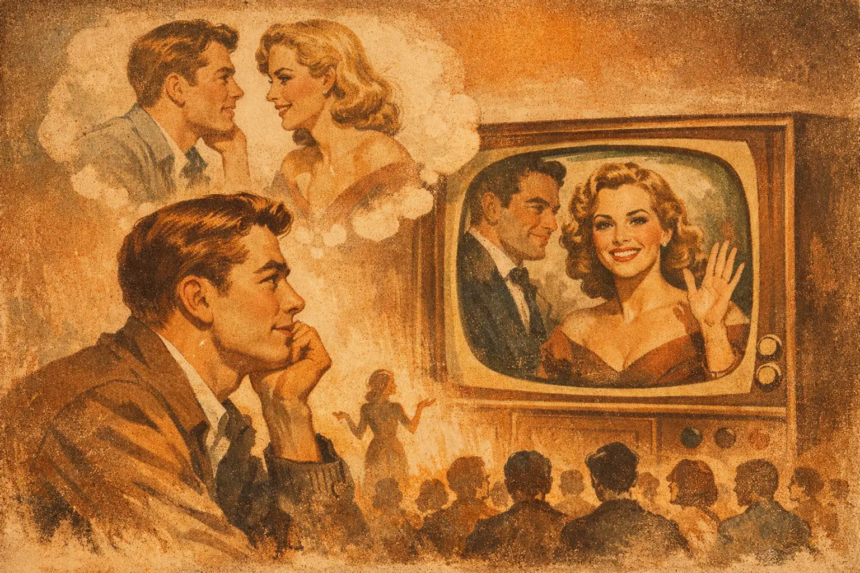
A podcast host gets you through your commute. A YouTuber feels oddly comforting after a bad day. An actor’s breakup lands in your group chat like news about someone you know. That is parasocial relationships psychology in action – the study of one-sided emotional bonds people form with media figures who do not actually know them.
These bonds are not new, and they are not automatically unhealthy. What has changed is the intensity, frequency, and design of modern media environments. When creators speak straight into a camera, share details about their routines, answer comments, and appear in your feed every day, your brain gets a steady stream of social cues. Psychologically, that matters.
What parasocial relationships psychology actually studies
The term comes from media psychology research on how audiences relate to public figures. A parasocial relationship is a one-sided connection in which a person feels familiarity, affection, trust, or loyalty toward someone they encounter through media. That person might be a celebrity, streamer, podcaster, fictional character, athlete, news anchor, or influencer.
The key point is not that the feelings are fake. The key point is that the relationship is asymmetrical. You may know their voice, face, values, habits, and relationship drama. They do not know you exist.
That imbalance is what makes parasocial bonds psychologically distinct from friendship. Friendship involves mutual recognition, reciprocity, and shared obligation. Parasocial connection can feel warm and personally meaningful without any of those elements.
Why one-sided bonds can feel so real
Humans did not evolve for a world where thousands or millions of people can watch the same person laugh, cry, confess, and age in real time. Our social brains are built to respond to faces, voices, eye contact, and repeated exposure. Media figures provide all of that.

Familiarity breeds attachment
One of the simplest forces here is repeated exposure. The more often we see someone, the more familiar they feel. Familiarity tends to lower uncertainty, and lower uncertainty often increases liking. This is one reason a creator you barely noticed at first can become part of your mental social world a few months later.
Self-disclosure creates the illusion of intimacy
Intimacy usually grows when people reveal personal information. Social media and long-form content are built on disclosure. When someone talks about their anxiety, breakup, childhood, or morning routine, audiences often experience that as emotional access. Your brain reads disclosure as closeness, even if the exchange is entirely one-way.
The brain responds to social cues, not just social facts
Psychologically, there is a difference between knowing something is one-sided and emotionally reacting as if it is socially meaningful. You can fully understand that a creator is broadcasting to millions and still feel seen when they say, “If you’re struggling right now, this is for you.” Social cognition is not purely rational. It is cue-driven.
Attachment needs do not switch off online
People vary in how strongly they seek closeness, reassurance, and emotional safety. For some, parasocial bonds can partially meet attachment needs, especially during lonely or unstable periods. That does not mean a creator replaces real relationships. It means media figures can become emotionally regulating in ways that feel surprisingly powerful.
Why parasocial relationships are more intense now
Classic celebrity culture created distance. You saw an actor in a movie, maybe an interview, then nothing for months. Digital platforms changed the rhythm.
Creators now post daily updates, behind-the-scenes clips, live streams, and direct-to-camera commentary. The style is casual and personal. Fans are invited to feel included, not just entertained. Add algorithms that keep resurfacing the same faces, and a one-sided relationship can start to resemble ambient companionship.
This is especially true with influencers, because their appeal often depends on relatability rather than mystery. Traditional fame said, “Look how extraordinary this person is.” Influencer culture often says, “This person is basically like you, just slightly more polished.” That framing narrows the perceived social distance.
The benefits are real, but so are the trade-offs
Parasocial relationships psychology is often reduced to a warning label, but that misses the full picture. These bonds can serve useful psychological functions.
A media figure can model coping, normalize difficult emotions, or motivate behavior change. Someone dealing with grief, identity questions, or isolation may find genuine comfort in a podcast host, therapist-educator, or creator who articulates what they are feeling. Fictional characters can also offer meaning, belonging, and emotional release. People often use stories to process their own lives.
There is also a social benefit. Shared attachment to public figures can create a community among fans. People make friends through fandoms, discussion groups, live events, and online communities. In that sense, a one-sided bond can become a bridge to a reciprocal connection.
But the trade-offs matter. A parasocial bond can drift from supportive to consuming when it starts replacing offline relationships, distorting judgment, or driving emotional dependency. If a creator’s mood shapes your mood, if their approval feels personally important, or if criticism of them feels like a direct attack on you, the bond may be doing more psychological work than it should.
When parasocial bonds become unhealthy
Not every intense fan response is pathological. Strong interest is not the same as dysfunction. The real issue is whether the bond narrows your life or your thinking.
Warning signs in parasocial relationships psychology
A healthier parasocial bond tends to stay in proportion. You enjoy the content, feel some connection, and keep perspective. A less healthy version starts to blur boundaries.
That might look like excessive time spent monitoring someone’s life, strong jealousy over their relationships, spending beyond your means to feel closer to them, or interpreting generalized content as personal reciprocity. It can also show up as refusing to tolerate any criticism, because the figure has become tied to your identity, values, or emotional stability.
There is an especially modern twist here: monetization. Many creators earn income by cultivating closeness. Subscriber communities, exclusive content, private chats, and personalized responses can create a graduated ladder of intimacy. None of that is inherently manipulative. Plenty of creators are thoughtful and ethical. But the business model can reward boundary-blurring behavior, and audiences should be clear-eyed about that.
Why some people are more susceptible than others
It depends. Loneliness can increase vulnerability, but lonely people are not uniquely irrational. They are often responding normally to an environment built to simulate closeness.
People with higher social anxiety may find parasocial bonds safer than real interaction because there is no risk of rejection. Those going through transitions – breakups, relocation, burnout, grief – may rely more heavily on predictable media figures for emotional regulation. Adolescents and young adults can be especially prone to identity-based parasocial attachment because public figures often become templates for self-concept, values, style, and aspiration.
Personality matters too. Some people are more likely to form vivid internal relationships with characters, celebrities, and creators. That can reflect imagination, empathy, attachment style, or just media habits. Psychology is not one-size-fits-all.
How to keep parasocial connections in perspective
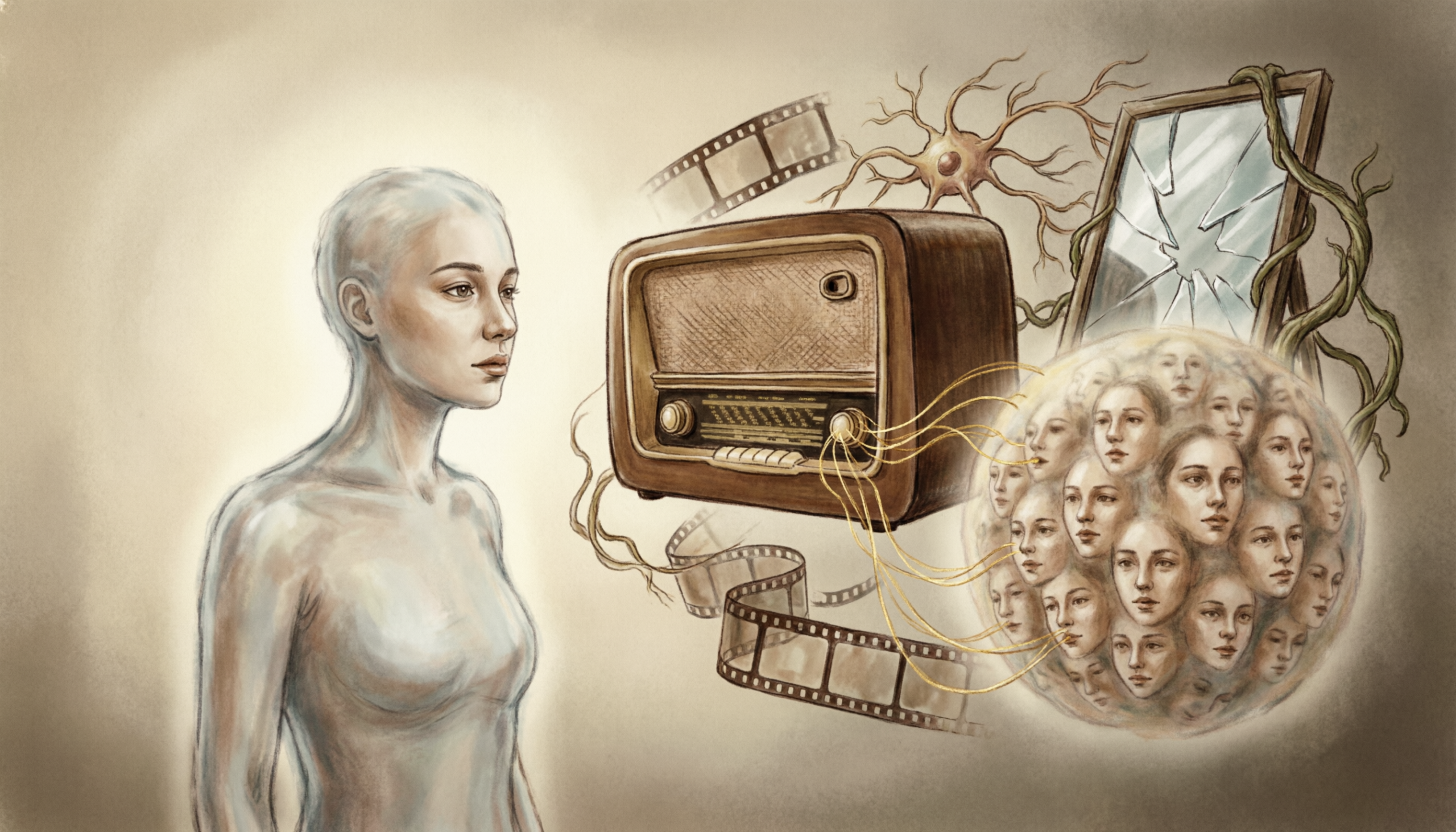
The goal is not to eliminate parasocial bonds. That would be unrealistic and unnecessary. The better goal is to relate consciously.
If a creator genuinely helps you, ask what the bond is doing for you. Is it offering comfort, structure, inspiration, or a sense of belonging? Once you can name the function, you can decide whether that need also deserves support from real-world relationships, routines, or professional help.
It also helps to notice the architecture around the bond. Are you being nudged toward constant engagement, emotional oversharing, or paid intimacy? Are you following someone because their work adds value, or because the connection soothes something deeper that is going unaddressed?
A useful rule is this: let media figures influence your thinking, not occupy your emotional center. Admiration is fine. Identification is common. Dependency is where clarity starts to slip.
The bigger lesson behind parasocial relationships psychology
What makes these relationships so compelling is not just technology. It is that they reveal something old about human nature. We are exquisitely responsive to attention, familiarity, storytelling, and the feeling of being accompanied. Modern media did not invent those needs. It industrialized them.
That is why cutting through the myths matters. Parasocial connection is neither proof that society is broken nor evidence that people are gullible. It is a predictable response to persuasive social cues delivered at scale.
If you understand that, you become harder to manipulate and better at using media intentionally. You can appreciate the comfort, insight, and motivation a public figure provides without confusing visibility with mutuality. And that is a useful skill well beyond fandom – because the more digital life starts to feel personal, the more psychology becomes your best filter.