

- What dark psychology in e-commerce really means
- Consumerism under siege: dark psychology in e-commerce by design
- Why smart people still fall for it
- The most common dark patterns shoppers face
- Where the line is not always obvious
- Consumerism under siege: dark psychology in e-commerce and identity
- How to resist without becoming cynical
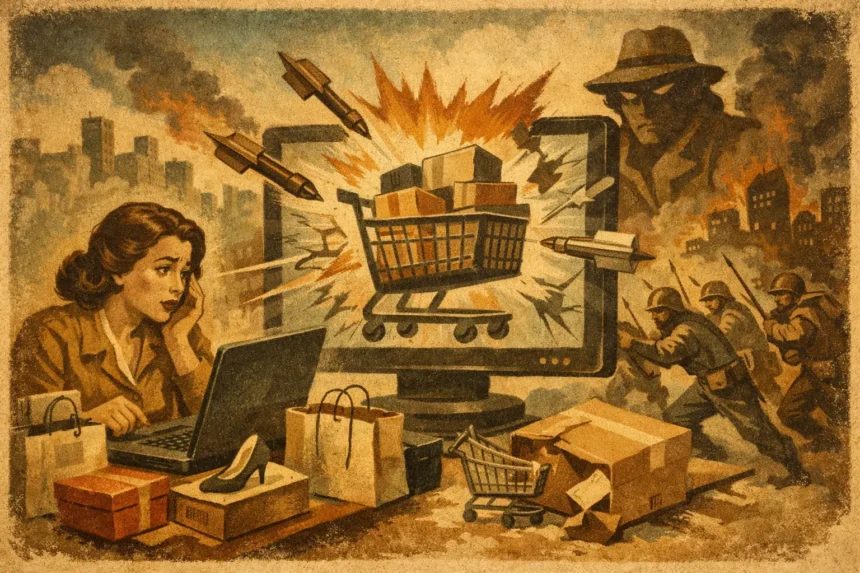
That extra item in your cart probably did not get there by accident. Neither did the countdown timer, the low-stock warning, or the subscription box that seemed easier to accept than decline. Consumerism under siege: dark psychology in e-commerce is not a dramatic slogan. It is a fair description of how many digital storefronts are built – not just to persuade, but to steer attention, exploit bias, and reduce reflective choice.
This matters because online shopping is no longer a side activity. It is where people buy groceries, clothes, skincare, gifts, flights, software, and increasingly, impulse versions of themselves. E-commerce does not just sell products. It shapes decisions in environments engineered around human cognitive shortcuts.
What dark psychology in e-commerce really means
Persuasion is not automatically unethical. All marketing is an attempt to influence behavior. A useful product page should reduce uncertainty, answer objections, and help people choose. The problem starts when design stops informing and starts manipulating.
Dark psychology in e-commerce refers to tactics that exploit predictable features of human judgment. These tactics lean on findings from behavioral science – scarcity effects, loss aversion, social proof, default bias, variable reward, and decision fatigue – but apply them in ways that benefit the seller more than the buyer. The goal is not clarity. The goal is conversion.
That distinction matters. Good design helps you decide. Dark design makes it harder to notice how the decision is being shaped.
Consumerism under siege: dark psychology in e-commerce by design
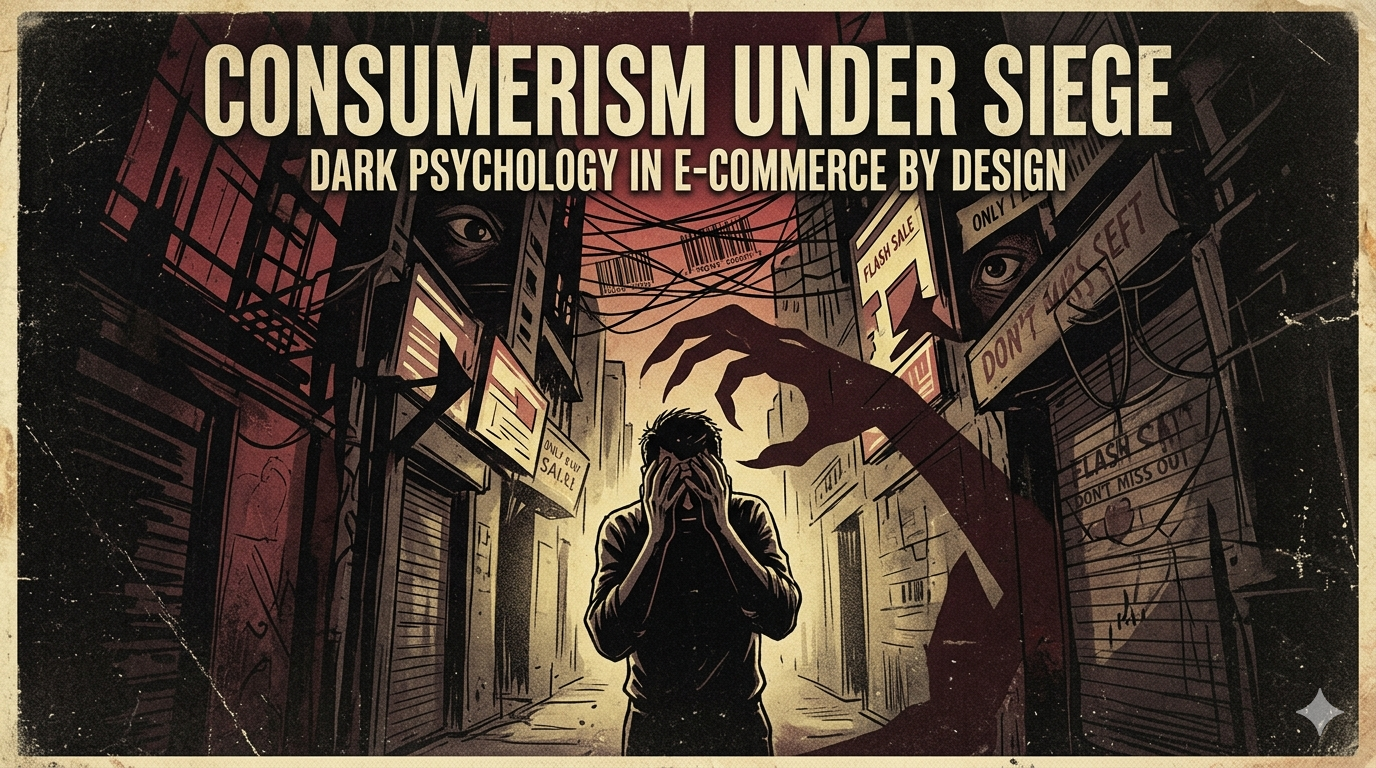

Most people like to believe they are rational shoppers. In reality, we are context-sensitive shoppers. We do not make choices in a vacuum. We make them under cognitive load, emotional fluctuation, time pressure, and limited attention. E-commerce platforms know this.
Take scarcity. If a product page says only 2 are left in stock, your brain does not process that as neutral information. It activates perceived value and potential loss. Behavioral research has shown that people often want things more when availability appears limited. That can be useful when the shortage is real. It becomes manipulative when scarcity is fabricated or exaggerated.
The same is true of urgency. Timers, flash deals, and phrases like sale ends in 10 minutes trigger a narrow decision frame. Instead of asking, Do I want this? Or is this worth it? the mind starts asking, Will I miss out? That shift is powerful because loss aversion is powerful. People are often more motivated to avoid losing an opportunity than to gain an equivalent benefit.
Then there is social proof, one of the oldest and most effective tools in persuasion. Seeing that 14 people bought this today or that this item is trending can reduce uncertainty. It can also shortcut independent judgment. Under ambiguity, humans often look to other people as a signal for what is safe, smart, or desirable. That tendency is adaptive in social life. It is easy to exploit in digital commerce.
Why smart people still fall for it
Being educated does not make you immune to influence. In some cases, it just makes you better at rationalizing purchases after the fact.
A lot of e-commerce manipulation works because it targets normal mental processes, not ignorance. Default bias makes pre-checked boxes feel acceptable. Friction asymmetry makes cancellation harder than sign-up. Anchoring makes an inflated original price distort your sense of the current deal. Choice architecture makes one option look like the obvious pick simply because it is highlighted, framed as popular, or placed at the visual center.
These are not failures of intelligence. They are features of human cognition.
Decision fatigue makes things worse. After a long day, people are less likely to scrutinize terms, compare alternatives, or detect subtle coercion. Emotional states matter too. Stress, loneliness, boredom, and identity insecurity can all increase susceptibility to certain messages. Buy this and feel more organized. More attractive. More in control. More like the version of yourself you are trying to become.
That is one reason e-commerce can feel strangely personal. It does not just respond to what you need. It increasingly predicts what emotional story you are vulnerable to.
The most common dark patterns shoppers face
Some tactics are now so common they barely register. Hidden fees appear late in checkout, after you have already invested time. Forced continuity turns a free trial into a paid subscription unless you remember to opt out. Confirmshaming makes the decline option sound embarrassing or irrational, with buttons that say things like No thanks, I do not want to save money.
There is also visual manipulation. The accept button is bright and clean. The reject option is faint, small, or buried. Some sites create intentional confusion with double negatives, unclear consent language, or account settings that take far too many clicks to manage. The design is doing psychological work while pretending to be neutral.
Personalization adds another layer. When recommendations are tailored to your browsing habits, identity cues, or prior emotional patterns, influence becomes more precise. A beauty shopper sees insecurity framed as self-care. A productivity shopper sees aspiration framed as discipline. A parent sees guilt framed as responsibility. The underlying mechanism is often the same: connect a product to a psychologically loaded self-concept, then compress the time available to resist.
Where the line is not always obvious
Not every persuasive tactic is dark. That is where the conversation gets complicated.
A real low-stock warning can be useful. Customer reviews can genuinely help people choose. Personalized recommendations can reduce overwhelm. Even urgency can be fair when it reflects a legitimate deadline. The issue is not whether psychology is involved. Psychology is always involved. The issue is whether the tactic preserves informed consent and realistic choice.
A good test is this: if the user fully understood the mechanism being used on them, would they still consider it fair?
That question cuts through a lot of marketing spin. It also keeps us from slipping into a simplistic anti-commerce position. Selling is not the enemy. Manipulation is.
Consumerism under siege: dark psychology in e-commerce and identity
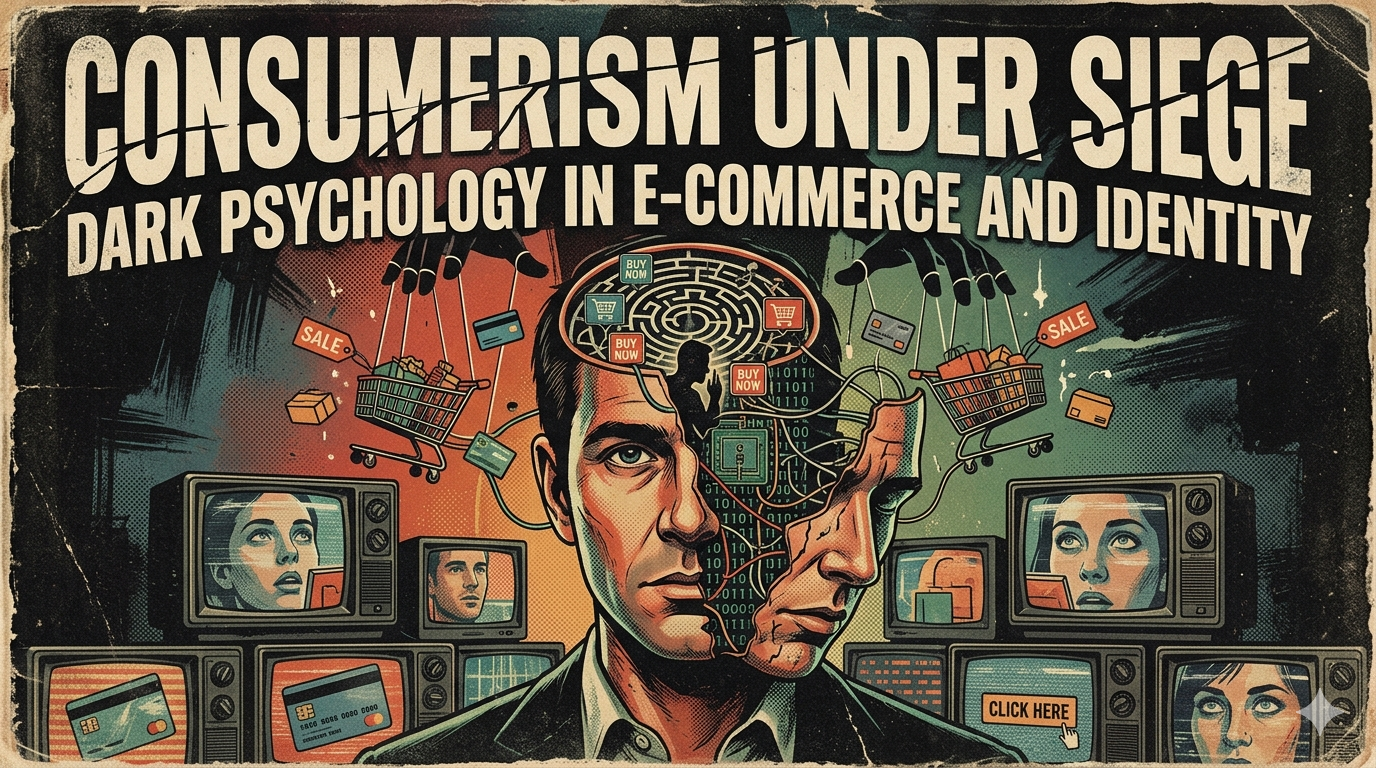
The deeper story here is not just about checkout tricks. It is about identity-based consumption.
Modern e-commerce often sells symbolic relief before it sells utility. You are not just buying a supplement, lamp, planner, or jacket. You are buying a narrative about who you are becoming. More focused. More stylish. More desirable. More healed. More optimized.
This is where psychology and culture meet. Digital commerce thrives in environments where people feel unfinished. The more uncertain people are about status, attractiveness, belonging, or self-worth, the easier it is to position products as emotional tools. Sometimes they are genuinely helpful. Sometimes they are just expensive mood regulation with shipping.
That does not mean consumers are passive victims. People use products meaningfully all the time. Clothes can support identity. Tools can improve behavior. Skincare can be a ritual of care rather than insecurity. But when platforms consistently amplify anxiety, comparison, and urgency, consumption stops being a choice and starts becoming a coping style.
How to resist without becoming cynical
The goal is not to make it impossible to persuade. That is not realistic, and it is not even desirable. The goal is to become more conscious of when your mind is being hurried, cornered, or emotionally recruited.
A useful first move is to slow the tempo. If a site is pushing speed, create a delay. Leave the tab open. Take a screenshot. Come back later. Urgency loses power when time pressure is interrupted.
It also helps to separate the object from the story. Ask what you are actually buying. Is it a blender, or the fantasy of becoming a person who finally has it together? Is it a course, or relief from feeling behind? Those questions do not kill desire. They clarify it.
Another practical shift is to audit friction. If it is remarkably easy to accept, upgrade, or subscribe, and strangely hard to decline, that asymmetry is data. It tells you where the platform’s interests are overriding yours.
Finally, notice your state before you buy. Emotional self-awareness is one of the best defenses against manipulative design. Shopping while depleted, rejected, anxious, or overstimulated changes what feels necessary. The Psychology of Everything exists for exactly this kind of moment – to make hidden drivers visible before they run the show.
The internet has made buying faster, cheaper, and more convenient. It has also made influence more invisible. The sharper your understanding of human behavior, the less likely you are to confuse engineered impulse with genuine choice. That is not about buying less. It is about buying from a clearer mind.